Operational overview
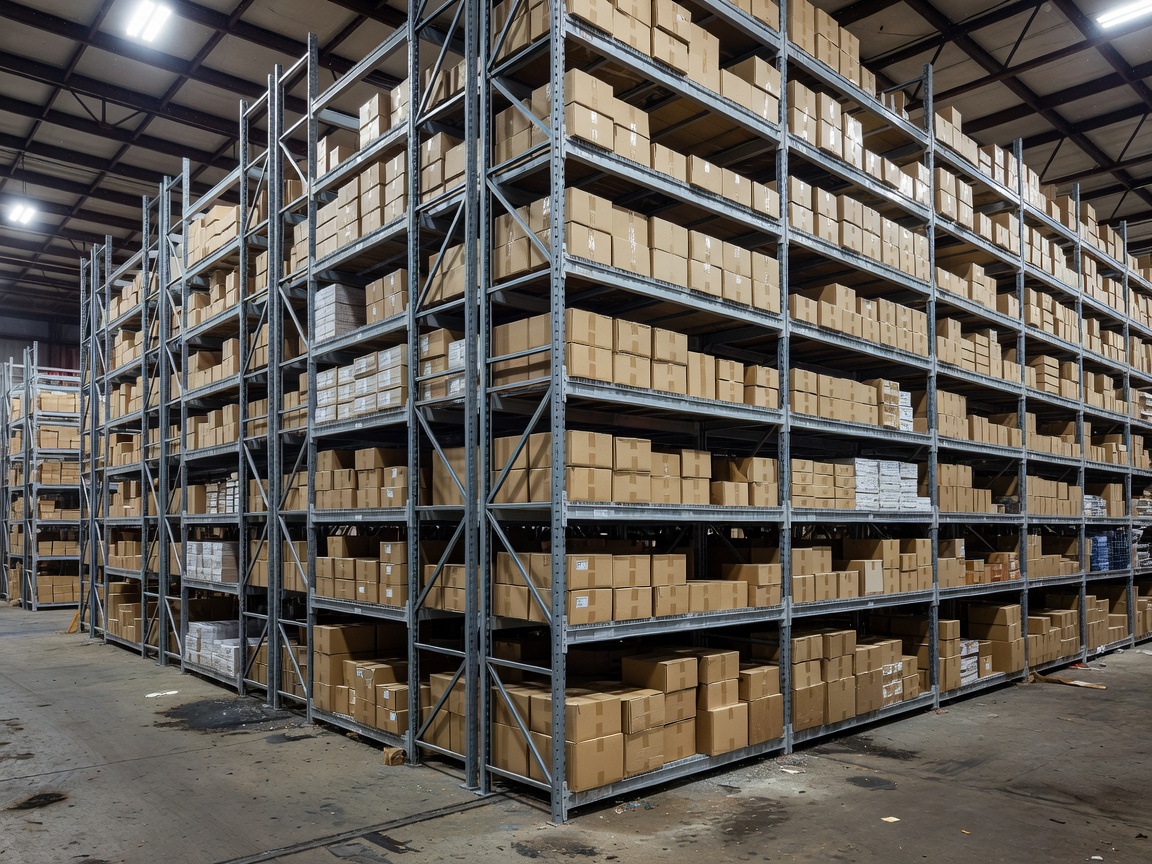
Parts warehousing covers the physical control of packaged vehicle components. The work starts when goods arrive. Cartons, crates and pallets are checked against available information, assigned to a suitable zone and positioned so that later handling is predictable.
The storage model should reflect the part, not simply the available floor. Small packaged items require accessible shelving and clear labels. Larger body or mechanical components require stable positions with enough clearance for safe movement. Sensitive packaging requires protection from crushing, moisture and unnecessary rehandling.
Process sequence
- Receive. Record the shipment reference, visible condition and package count.
- Classify. Identify component family, handling consideration and storage profile.
- Locate. Assign a readable zone, bay, shelf or pallet position.
- Confirm. Match the physical label with the storage record.
- Prepare. Stage outbound units without losing identity or paperwork.
Practical controls
Zone labels should remain visible from the normal aisle approach. Part labels should face the working side where possible. Mixed references should not share an unmarked container. Open packaging should be closed or protected before it returns to storage.
Inbound handling also needs an exception path. A missing label, damaged carton, unclear quantity or conflicting reference should be held for review rather than silently placed into stock. A short exception note is more useful than an uncertain location.
Advantages and limits
A defined storage system reduces search time, unnecessary movement and avoidable picking confusion. It creates a reliable physical foundation for inventory records and later quality checks.
Warehousing alone does not correct poor source information. It cannot establish a part identity where the supplied label is unclear. It also cannot remove the need for periodic stock checks. Storage control is effective when identification, location and handling instructions remain aligned.
What to check
- Is the package count visible and recorded?
- Can the location be found without verbal directions?
- Are similar references physically separated or clearly marked?
- Are damaged or uncertain units isolated?
- Can the outbound team reach the unit without unnecessary moves?